 NutraSphere
Understanding Food Groups
A detailed examination of food categorization and the roles of different nutrients in human physiology.
February 2026 | Educational Article
Introduction to Food Classification
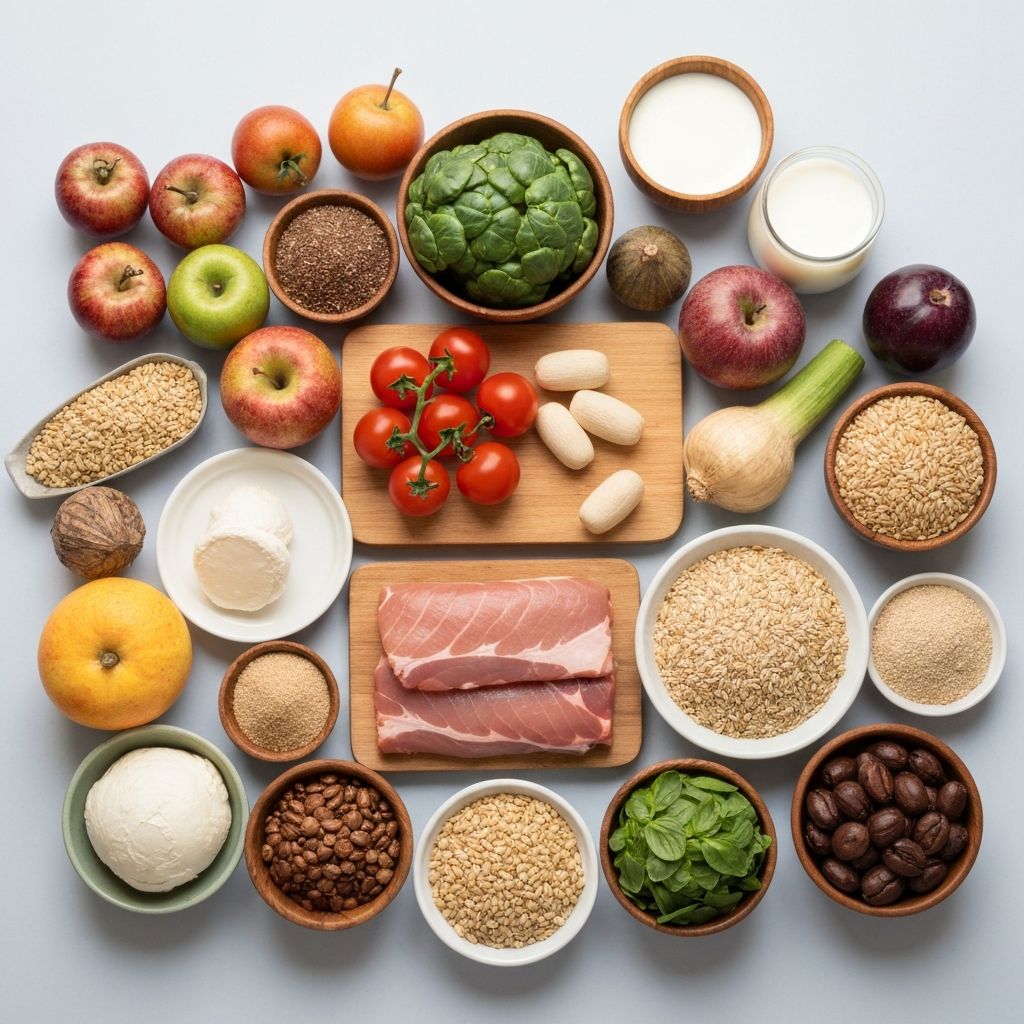
Nutritional science organizes foods into categories based on their predominant nutritional characteristics. These classification systems provide frameworks for understanding the diverse roles that different foods play in human nutrition.
Food group classifications serve educational purposes, helping to conceptualize nutritional variety and the contributions of different food types. Various classification systems exist, reflecting different organizational approaches and emphases within nutritional education.
Macronutrients and Food Sources
Foods are often characterized by their macronutrient composition: carbohydrates, proteins, and fats. While most whole foods contain multiple macronutrients, foods are typically categorized by their predominant macronutrient content.
Carbohydrate-Rich Foods
Foods high in carbohydrates include grains, starchy vegetables, legumes, fruits, and foods made from these ingredients. Carbohydrates exist in various forms with different chemical structures and physiological effects.
Simple carbohydrates consist of single or paired sugar molecules and are found in fruits, milk, and added sugars. Complex carbohydrates include starches and fibers, present in whole grains, legumes, and vegetables. These structural differences influence how carbohydrates are digested and absorbed.
Dietary fiber, a type of complex carbohydrate, is not fully digested by human enzymes. Different fiber types have varying physical properties and physiological effects. Fiber sources include whole grains, vegetables, fruits, legumes, nuts, and seeds.
Protein Sources
Protein-containing foods include both animal sources like meat, poultry, fish, eggs, and dairy products, as well as plant sources such as legumes, soy products, nuts, seeds, and whole grains. These different protein sources vary in their amino acid profiles and digestibility.
Proteins are composed of amino acids in various combinations. Nine amino acids are considered essential as they cannot be synthesized by the human body and must come from food. Different protein sources provide varying amounts and proportions of these essential amino acids.
The concept of protein quality relates to amino acid composition and digestibility. Animal proteins generally contain all essential amino acids in significant amounts, while plant proteins may have limiting amounts of certain amino acids. However, combining different plant protein sources can provide complete amino acid profiles.
Fat-Containing Foods
Dietary fats come from numerous sources including oils, nuts, seeds, avocados, fatty fish, and animal products. Fats are classified into different types based on their chemical structure: saturated, monounsaturated, and polyunsaturated fats.
Saturated fats are found primarily in animal products and some plant oils like coconut and palm oil. They are solid at room temperature due to their chemical structure. Monounsaturated fats are present in olive oil, avocados, and many nuts. Polyunsaturated fats include omega-3 and omega-6 fatty acids, found in fish, certain nuts, seeds, and vegetable oils.
Trans fats, created through industrial hydrogenation processes, are found in some processed foods. Different fat types have distinct chemical structures that influence their roles in human physiology. Nutritional research continues examining relationships between different dietary fat types and various health markers.
Micronutrients Across Food Groups
Vitamins and minerals are distributed across various food types, with different foods providing different micronutrient profiles.
Vitamin Sources
Vitamins are organic compounds required in small amounts for various physiological functions. They are categorized as either fat-soluble or water-soluble, which affects their absorption, storage, and excretion.
Fat-soluble vitamins include vitamins A, D, E, and K. Vitamin A sources include animal products and orange-colored vegetables and fruits. Vitamin D is found in fatty fish, fortified foods, and is synthesized by skin exposure to sunlight. Vitamin E appears in nuts, seeds, and vegetable oils. Vitamin K is present in green leafy vegetables and some vegetable oils.
Water-soluble vitamins include the B-complex vitamins and vitamin C. B vitamins are distributed across many food groups including whole grains, meat, eggs, legumes, and green vegetables. Vitamin C is found primarily in fruits and vegetables, particularly citrus fruits, berries, and certain vegetables.
Mineral Distribution
Minerals are inorganic elements that serve various structural and functional roles in the body. Major minerals required in larger amounts include calcium, phosphorus, magnesium, sodium, potassium, and chloride. Trace minerals needed in smaller quantities include iron, zinc, copper, selenium, and iodine.
Calcium sources include dairy products, certain leafy greens, fortified foods, and some fish with edible bones. Iron appears in both heme form in animal products and non-heme form in plant foods, with differences in absorption efficiency. Zinc is found in meat, shellfish, legumes, seeds, and nuts. Iodine sources include seafood, dairy products, and iodized salt.
The bioavailability of minerals varies based on food source and the presence of other dietary components. Some foods contain compounds that enhance or inhibit mineral absorption, adding complexity to understanding mineral nutrition.
Vegetables and Fruits
Vegetables and fruits represent food categories characterized by their plant origin and typically significant water content, fiber, and micronutrient density.
Vegetable Diversity
Vegetables encompass diverse plant parts including leaves, stems, roots, bulbs, and flowers. This diversity translates to varied nutrient profiles. Leafy greens provide different nutrients compared to starchy root vegetables or cruciferous vegetables.
Dark green vegetables tend to be rich in folate, vitamin K, and certain minerals. Orange and red vegetables contain carotenoids, pigments with various physiological roles. Cruciferous vegetables like broccoli and cabbage contain specific phytochemical compounds that have been subjects of nutritional research.
Fruit Characteristics
Fruits are characterized by their typically sweet taste, fiber content, and vitamin and mineral profiles. Different fruits provide different nutrient concentrations. Citrus fruits are noted for vitamin C content. Berries contain various phytochemicals. Bananas provide potassium.
Fruits contain natural sugars in varying amounts. The fiber content in whole fruits affects how these sugars are absorbed compared to fruit juices. The processing of fruits into various forms affects their nutritional characteristics.
Grains and Cereal Products
Grains serve as staple foods in many cultures, providing carbohydrates and varying amounts of other nutrients depending on processing level.
Whole Grains versus Refined Grains
Whole grains contain the entire grain kernel: the bran, germ, and endosperm. This includes the fiber-rich outer layers and the nutrient-dense germ. Examples include whole wheat, brown rice, oats, quinoa, and barley.
Refined grains have been milled to remove the bran and germ, leaving primarily the starchy endosperm. This refining process extends shelf life and creates finer textures but removes fiber and many nutrients. Many refined grain products are enriched, with certain vitamins and minerals added back.
The nutritional differences between whole and refined grains relate to fiber content, micronutrient density, and the presence of various phytochemical compounds in whole grains. Research examines associations between whole grain consumption and various health markers at population levels.
Protein Foods: Animal and Plant Sources
Foods categorized primarily as protein sources include diverse options with varying nutritional profiles beyond protein content.
Animal Protein Sources
Meat, poultry, fish, eggs, and dairy products provide complete proteins along with various other nutrients. Red meats provide iron in highly bioavailable heme form along with zinc and B vitamins. Poultry offers lean protein with less saturated fat compared to many red meats. Fish provides protein along with varying amounts of omega-3 fatty acids, particularly in fatty fish species.
Eggs contain high-quality protein along with various vitamins and minerals. Dairy products provide protein, calcium, and other nutrients, with fat content varying by product type and processing.
Plant Protein Sources
Legumes including beans, lentils, and peas provide significant protein along with fiber and various micronutrients. Soy products offer complete protein profiles unusual among plant sources. Nuts and seeds provide protein, healthy fats, and various micronutrients, though their protein content per serving is generally lower than legumes.
Plant protein sources typically contain fiber and lack cholesterol, distinguishing them nutritionally from animal protein sources. The amino acid profiles vary among different plant proteins, with implications for protein quality when these foods serve as primary protein sources.
Dairy and Alternatives
Dairy products and their alternatives represent a food category characterized primarily by liquid or semi-liquid forms and significant protein and calcium content.
Traditional dairy products from animal milk include fluid milk, yogurt, cheese, and various cultured products. These provide protein, calcium, vitamin D in fortified products, and other nutrients. Fat content varies widely from skim to full-fat versions.
Plant-based dairy alternatives made from soy, almonds, oats, and other sources have become common. Their nutritional profiles vary significantly by base ingredient and fortification. Many are fortified with calcium and vitamins to approximate dairy milk profiles, though naturally occurring nutrient content differs from dairy.
Fats, Oils, and High-Fat Foods
While fats appear in many foods, certain foods are characterized primarily by high fat content. These include vegetable oils, butter, nuts, seeds, avocados, and fatty fish.
Different oils and high-fat foods provide varying fatty acid profiles. Olive oil is high in monounsaturated fats. Corn and soybean oils contain primarily polyunsaturated fats. Coconut oil is predominantly saturated fat. These compositional differences have been subjects of nutritional research regarding various health outcomes.
Nuts and seeds provide fats along with protein, fiber, and various micronutrients, representing more nutritionally complex foods than pure oils. The combination of nutrients in these whole food sources differs from isolated fats.
Nutrient Density Concept
Nutrient density refers to the concentration of beneficial nutrients relative to energy content. Foods high in nutrients relative to calories are considered nutrient-dense, while foods providing many calories but fewer nutrients are less nutrient-dense.
This concept provides one framework for considering food quality. Vegetables, fruits, whole grains, legumes, lean proteins, and low-fat dairy are generally considered nutrient-dense. Foods high in added sugars or solid fats tend to be less nutrient-dense.
However, nutrient density represents just one consideration in food selection. Energy density, palatability, cost, cultural significance, and personal preferences all play roles in food choices. The concept of nutrient density informs but does not determine appropriate food selections for individuals.
Food Processing and Nutritional Characteristics
The degree and type of food processing affects nutritional characteristics. Processing ranges from minimal interventions like cleaning and cutting to extensive industrial processing involving multiple ingredients and procedures.
Minimally processed foods retain most of their inherent nutritional properties. Processing techniques like cooking, freezing, and canning can affect nutrient content variably, with some nutrients degraded and others made more bioavailable. Fortification adds nutrients not originally present or replaces those lost in processing.
Highly processed foods often contain added sugars, sodium, and fats, with implications for overall dietary patterns. Understanding processing effects provides context for considering how different forms of foods contribute to nutrition.
Variety and Balance Concepts
Nutritional education often emphasizes variety in food selection as a strategy for accessing diverse nutrients. No single food provides all necessary nutrients in appropriate amounts, making variety a practical approach to nutritional adequacy.
Different foods within the same food group provide different specific nutrients. Consuming various fruits accesses different vitamin and phytochemical profiles compared to consuming only one fruit type. Similarly, variety within other food groups provides nutritional benefits beyond single food choices.
The concept of balance relates to proportions of different food groups in overall dietary patterns. Various guidelines suggest different proportional frameworks, though specific appropriate proportions vary by individual circumstances and needs.
Educational Context
This article presents information about food groups and nutrients from an educational perspective. The content describes nutritional characteristics of different foods and food categories without prescribing specific food selections or dietary patterns for individuals.
Individual nutritional needs vary based on numerous factors including age, sex, body size, activity level, health status, and other personal characteristics. What constitutes an appropriate dietary pattern depends on these individual factors.
This educational resource does not provide personalized nutrition advice or recommendations. Persons seeking guidance for their specific nutritional needs should consult qualified nutrition professionals who can assess individual circumstances.
Educational Notice
This article provides educational information only. It does not constitute personalized nutrition advice or recommendations for individual circumstances. Individual nutritional needs vary based on numerous factors.
Educational content only. No medical services. No promises of outcomes.
Continue Learning
Explore more educational articles about nutrition and eating habits.
Back to Articles